When a European importer receives a defective batch, the problem is rarely that the manufacturer “cheated.” It’s almost always a problem of timing: the error was caught too late, when the goods had already left China and there was no room to maneuver.
The cost of catching it late
A defect identified on the production line is fixed with a conversation and a few hours of rework. That same defect caught at the destination port means sending the container back, renegotiating with a supplier thousands of kilometers away, and absorbing weeks of delay with your end customer already waiting. The rule of thumb in the industry is simple: every stage a defect advances without being corrected multiplies its cost tenfold.
That’s why quality control isn’t a final formality but a continuous process that starts before production.
The three inspections that matter
- Initial inspection (pre-production). Verifies that raw materials and components match the approved samples before mass production begins.
- During production inspection (DUPRO). With 20-30% of production complete, the line is reviewed to catch systematic deviations while they can still be fixed without redoing everything.
- Pre-shipment inspection (PSI). With production 100% complete and packed, a sample is checked against the AQL standard to accept or reject the batch before it goes into the container.
Why physical presence is non-negotiable
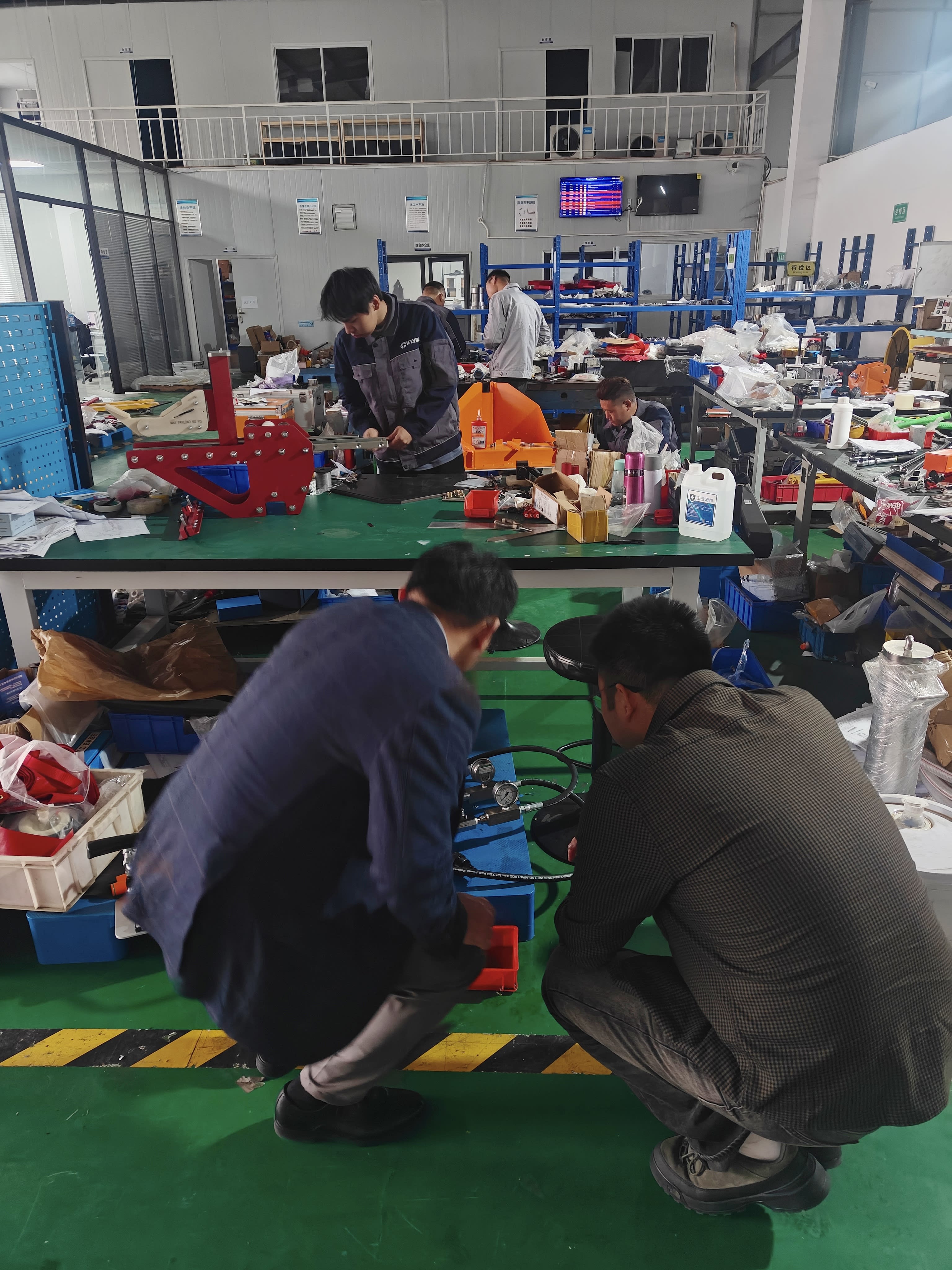
A video call or a photo report sent by the manufacturer itself has an obvious problem: they show you what they want you to see. On-site inspection breaks that asymmetry. An inspector at the plant opens boxes at random, measures with their own instruments, and checks processes that appear in no photo: the temperature of an oven, the traceability of a batch, the real condition of the machinery.
That difference —seeing with your own eyes versus trusting what you’re told— is exactly the information asymmetry that makes importing “blind” so expensive.
What you can do today
If you’re importing or about to, always demand a written inspection plan before signing, define the AQL standard in the contract (don’t leave it open to interpretation), and make sure whoever inspects is independent from the manufacturer.
At GoChina we manage this from the inside: our inspectors physically travel to the lines in Yiwu and Shenzhen. If you’d like to review your specific case, book a 30-minute consultation.