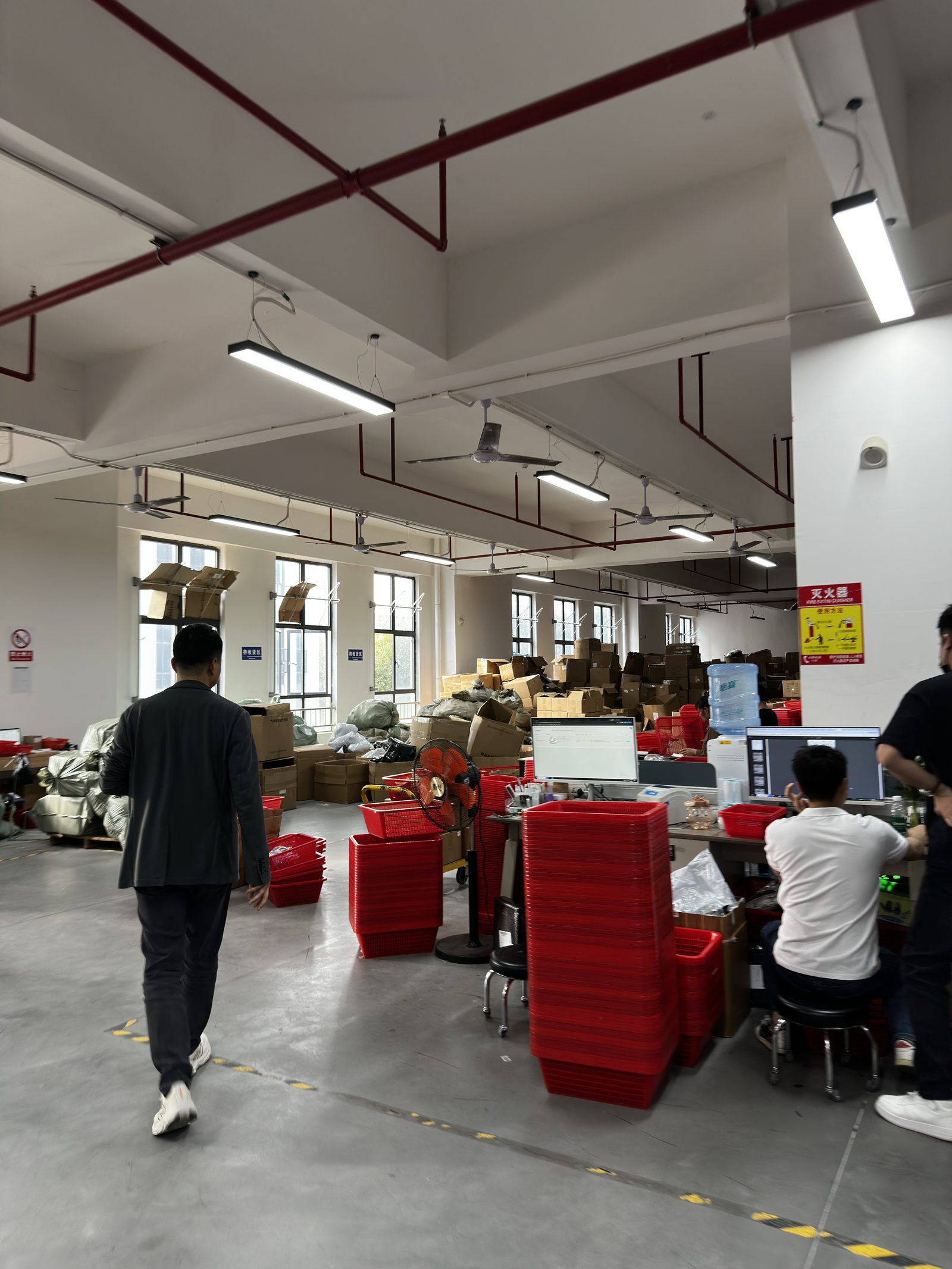
Choosing a factory in China isn’t decided with a spec-sheet PDF. We were reminded once more while sourcing a manufacturer for a ceiling fan with an integrated LED light: we visited three, and the one that looked best on paper was the first we ruled out.
The brief
The client needed a ceiling fan with an integrated LED luminaire —an appliance that falls under category 4 (large equipment) of the European WEEE directive— with these starting specs:
- Diameter from 1,200 to 1,320 mm, with a tolerance of ±2-3 mm on the total diameter.
- Total power of 50 to 70 W.
- Speeds from 80 to 220 rpm and noise of 35, 40, and 45 dB depending on speed.
- SMD LED lighting.
- Materials: steel structure, copper motor winding, and blades in plywood, ABS, and reinforced PP.
With that spec we shortlisted several candidates and visited three in person.
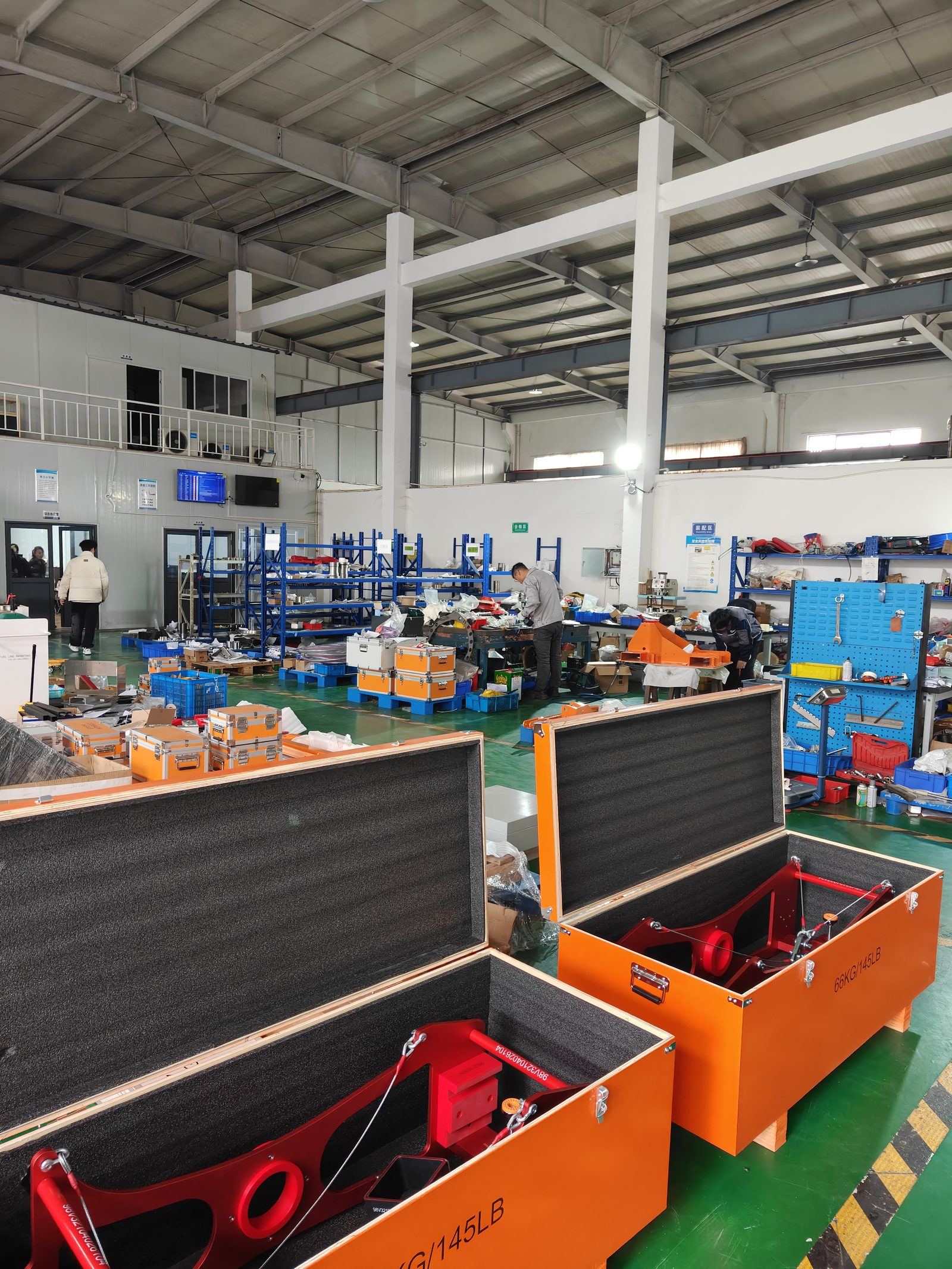
Three factories, the same product
| Criterion | Factory A | Factory B | Factory C (chosen) |
|---|---|---|---|
| Specifications | Impossible: 15 dB, 15,000 m³/h, 20 W, 4,500 lm from 18 W | Reasonable on paper | Realistic and consistent |
| Tolerances ±2-3 mm | — | Missed on critical points | Met |
| Certificates | — | Didn’t match | Verified |
| Price | — | Not competitive | Competitive |
| Attitude | Promised anything | — | Honest about its limits |
| Outcome | Ruled out | Ruled out | Chosen |
When the numbers are too good
The first factory sold its product extraordinarily well. Too well. On paper it offered 15 dB of noise, 15,000 m³/h of airflow, a motor of just 20 W, and an 18 W LED delivering 4,500 lumens.
The problem is those figures don’t survive a cross-check against physics, or against each other:
- 15 dB is practically silence. It’s below the noise of a library or a soundproofed room. A fan that actually moves air can’t sound like that; the 35-45 dB we were working with is what’s realistic.
- Very high airflow with minimal power and no noise can’t happen at once. Moving 15,000 m³/h of air demands power and generates noise. Promising high airflow, low consumption, and silence at the same time is a physical contradiction, not a competitive edge.
- 4,500 lm from 18 W is 250 lm/W. A real commercial SMD LED module runs around 120-160 lm/W. Those lumens don’t exist at that power; realistic for 18 W would be closer to 2,000-2,700 lm.
When a datasheet beats physics, it isn’t a find: it’s a red flag. Either the manufacturer doesn’t measure what it claims, or it’s copying specs from a catalog to close the order. In both cases, the problem would show up in production, not before.
The factory that missed the basics
The second was more measured in its pitch but failed on the fundamentals. Its prices weren’t competitive against the other candidates, some critical tolerances —precisely the ones the product can’t afford to miss— it didn’t reach reliably, and on reviewing the paperwork the certificates didn’t quite seem to match the company and the product. Any one of those three is reason for caution on its own; all three together ruled it out.
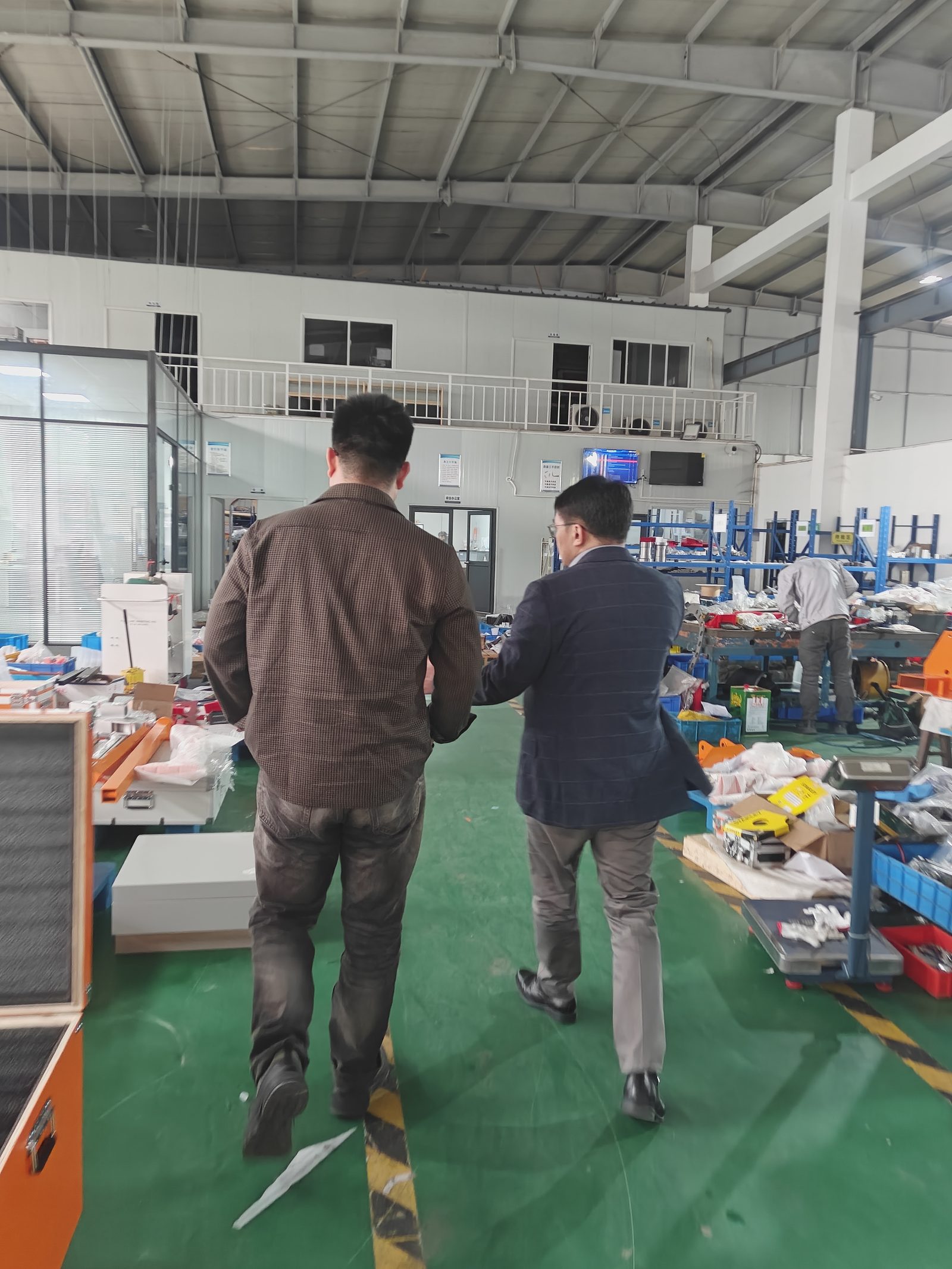
Why we chose the one that told us “no”
The third promised us the least. From the first conversation it was transparent about its limits: it told us what it could manufacture with guarantees and, above all, warned us that some of what we were asking for probably wasn’t possible as specified.
It may sound counterintuitive, but that’s exactly what earned our trust. A supplier that tells you no to something specific is giving you real information about its process; one that says yes to everything is telling you what you want to hear. In manufacturing, the first translates into fewer surprises in production, and the second into claims when the container arrives.
The lesson
The best supplier is rarely the one that looks best on paper. Two habits prevent most expensive mistakes: cross-checking specifications against each other and against physics before trusting them, and being physically at the factory to see what a PDF doesn’t show. That combination —technical judgment and presence at origin— is what turns a list of candidates into a well-founded decision.